



No-shows can quietly drain your salon’s revenue. Although they may seem unavoidable, they can actually be reduced significantly with the right systems in place.
When appointments are missed, time is wasted, income is lost, and staff morale can be affected. However, by implementing structured processes, clear communication, and smart technology, no-shows can be minimized effectively.
In this guide, you’ll learn practical and proven strategies to reduce no-shows in your salon and increase profitability as a result.
1. Send Automated Appointment Reminders
First and foremost, reminders must be sent consistently. Many clients do not intentionally miss appointments; instead, they simply forget.
According to research shared by the American Medical Association, appointment reminders significantly reduce missed visits across service industries. The same principle applies to salons.
What You Should Do:
- Send SMS reminders 24-48 hours before the appointment
- Send email confirmations immediately after booking
- Include date, time, and location clearly
- Add an easy reschedule option
You can use booking platforms such as Fresha or Vagaro, which provide automated reminder systems.
As a result, clients are gently prompted, and forgotten appointments are reduced.
2. Require Deposits for High-Value Services
Although some salon owners hesitate to request deposits, they have been proven to increase commitment.
When a small deposit is paid upfront:
- Clients are more likely to show up
- Cancellations are communicated earlier
- Your time is protected
For example, deposits can be required for:
- Braiding appointments
- Hair coloring
- Bridal bookings
- Long treatment sessions
Online payment systems such as Paystack make it easy to collect deposits securely.
Consequently, fewer appointments are abandoned without notice.
3. Implement a Clear Cancellation Policy
A cancellation policy should not only be created, it must also be communicated clearly.
Ideally, your policy should:
- Require at least a 24-hour notice
- Explain deposit forfeiture rules
- Be displayed on your website and booking page
- Be included in confirmation messages
Importantly, policies should be enforced consistently. If rules are applied sometimes but ignored at other times, they lose effectiveness.
According to guidance published by Forbes, clear service policies increase customer accountability and operational stability.
Therefore, transparency protects both your business and your clients.
4. Make Online Booking Easy and Accessible
If booking is complicated, mistakes are more likely to occur. On the other hand, when booking is simple, confirmations are clearer, and commitment increases.
Your booking system should:
- Show available time slots in real time
- Send automatic confirmations
- Allow easy rescheduling
- Sync with staff calendars
Research from Harvard Business Review shows that reducing friction in customer processes improves follow-through and engagement.
As a result, fewer appointments fall through the cracks.
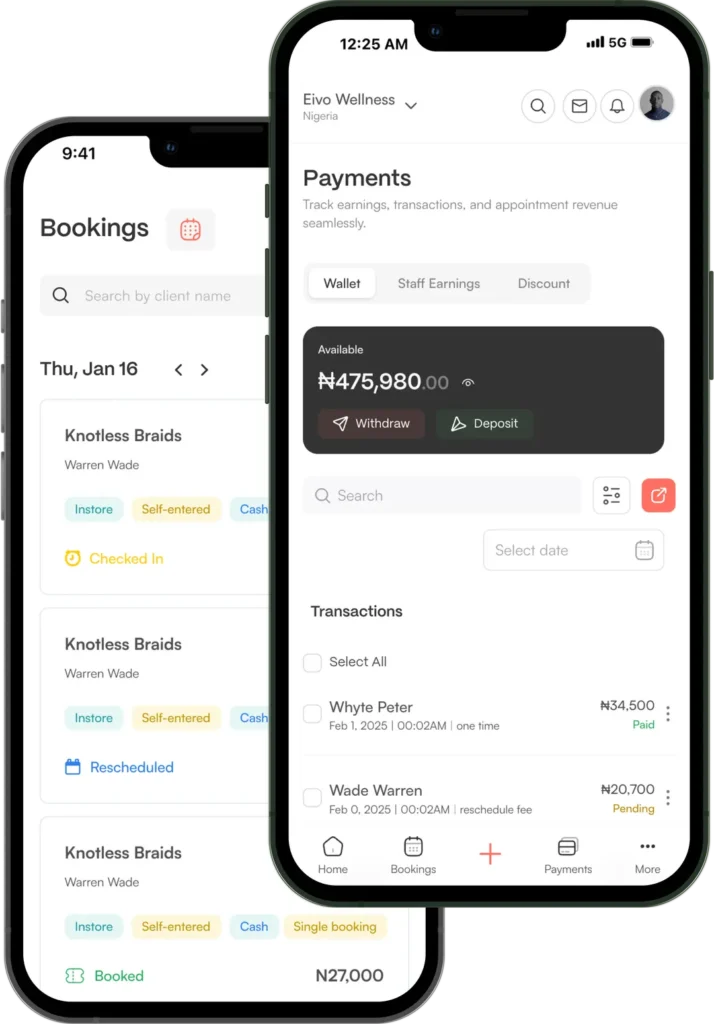
5. Track and Flag Repeat No-Show Clients
Data should always be reviewed. If certain clients repeatedly miss appointments, patterns will eventually be noticed.
You may:
- Require full prepayment from repeat offenders
- Limit their booking privileges
- Politely decline future bookings if necessary
While this may feel uncomfortable, boundaries protect your business. Furthermore, reliable clients appreciate structured systems.
6. Offer Incentives for Reliability
Instead of focusing only on penalties, rewards can also be introduced.
For example:
- Offer loyalty points for consistent attendance
- Provide small discounts after 5 completed visits
- Give priority booking to reliable clients
Positive reinforcement encourages responsible behavior. Over time, your client base becomes more dependable.
7. Build Strong Client Relationships
Finally, relationships matter. When clients feel valued, they are more likely to respect your time.
You can:
- Send birthday messages
- Follow up after appointments
- Personalize their service experience
When trust is built, communication improves. Consequently, cancellations are communicated earlier rather than ignored.
Final Thoughts
Reducing no-shows in your salon is not about being strict; it is about being structured.
By combining:
- Automated reminders
- Deposit requirements
- Clear cancellation policies
- Easy booking systems
- Client tracking
- Relationship building
… your salon revenue can be stabilized and protected.
Most importantly, these systems work best when applied consistently. Once expectations are clear, clients adapt quickly.
Start with one or two strategies today, and improvements will gradually be seen.
Frequently Asked Questions (FAQ)
How much should a salon’s deposit be?
Typically, 20-50% of the service cost is recommended for high-value appointments.
Are deposits legal?
Yes, deposits are legal as long as policies are clearly communicated and agreed upon before booking.
Do reminders really reduce no-shows?
Yes. Studies across industries consistently show that reminders significantly reduce missed appointments.
6 comments