


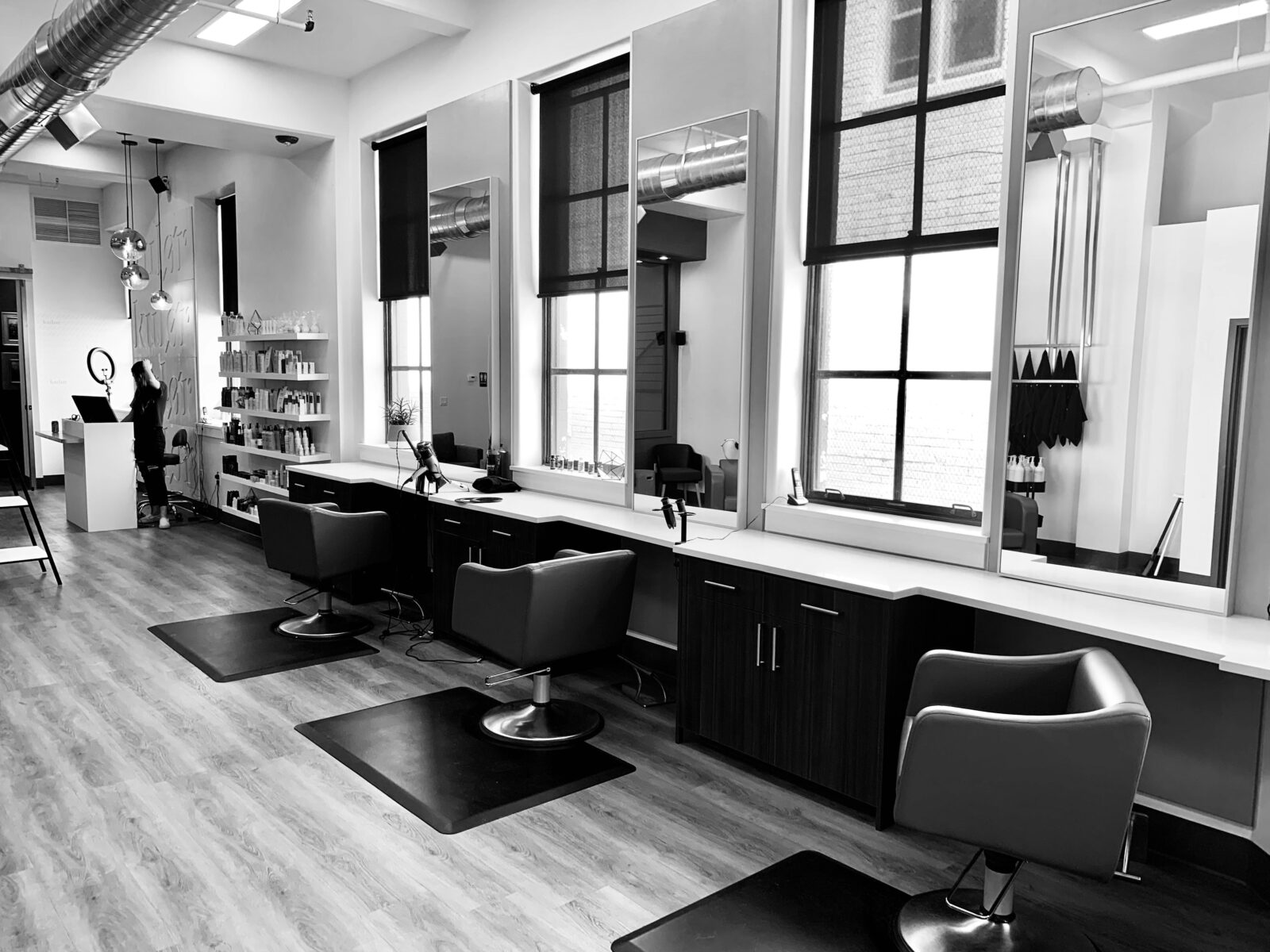
You prepared. You showed up. But the client didn’t.
In many salons across Abuja, this situation is all too familiar. Time slots are reserved, schedules are adjusted, and other clients are turned away, yet appointments are still missed without notice.
Over time, this pattern has been accepted as part of the business. No-shows are expected. Nothing is done about them.
However, that acceptance comes at a cost.
Revenue is lost. Time is wasted. And consistency becomes harder to maintain.
What’s often overlooked is this: no-shows are rarely random. In most cases, they are the result of how bookings are handled.
When the booking process is loose, attendance becomes optional. But when structure is introduced, behaviour begins to change.
This is why some salons continue to struggle with empty slots, while others experience steady, predictable bookings.
In this guide, the causes of no-shows are broken down, their real impact is clarified, and the practical steps being used to reduce them are explained.
Why No-Shows Keep Happening
No-shows are often misunderstood.
It is easy to assume that clients are careless or inconsiderate. However, in reality, most missed appointments are not intentional.
They are enabled.
When bookings are made through WhatsApp or phone calls, very little commitment is required. No deposit is collected. No structured confirmation is provided. In many cases, reminders are not sent.
As a result, the appointment does not feel fixed.
Plans change. The appointment is forgotten. And because no consequence is attached, nothing is done.
This pattern aligns with behavioural insights discussed by Harvard Business Review, where it has been observed that commitments are more likely to be honoured when some form of investment is involved.
So the issue is not just the client.
It is the system that allows the behaviour.
The Real Cost of No-Shows
At a glance, a missed appointment may seem like a small issue. However, the impact adds up quickly.
An empty slot might look harmless. But when that slot was already booked, the income was lost.
For example, if two appointments per week are missed at a salon where each service costs ₦10,000, ₦20,000 is lost each week.
Over time, that becomes:
- ₦80,000 monthly
- Nearly ₦1,000,000 yearly
And that is only the visible loss.
Behind the scenes, time is underused, prepared products go to waste, and potential clients are turned away unnecessarily.
According to operational insights from McKinsey & Company, small inefficiencies like these often compound into significant long-term losses.
So while no-shows may seem occasional, their impact is continuous.
What Actually Reduces No-Shows
No-shows cannot be eliminated by reminders alone or by hoping clients will change.
They are reduced when the booking process is structured to encourage follow-through.
Here’s what makes the difference:
1. A Deposit Should Be Collected Before Booking Is Confirmed
When no payment is required, the appointment feels optional.
However, once a deposit is paid, a level of commitment is created. The client now has something to lose, and the booking becomes more intentional.
The amount does not have to be high. Even a small percentage is enough to influence behaviour.
2. Reminders Should Be Sent Automatically
Many no-shows happen simply because the appointment is forgotten.
This is especially common when bookings are made days in advance without any follow-up.
When reminders are sent consistently, for example, 48 hours and 24 hours before attendance improves.
Insights from HubSpot support this, showing that automated reminders significantly increase follow-through.
The key here is automation. When reminders are sent manually, they are often missed.
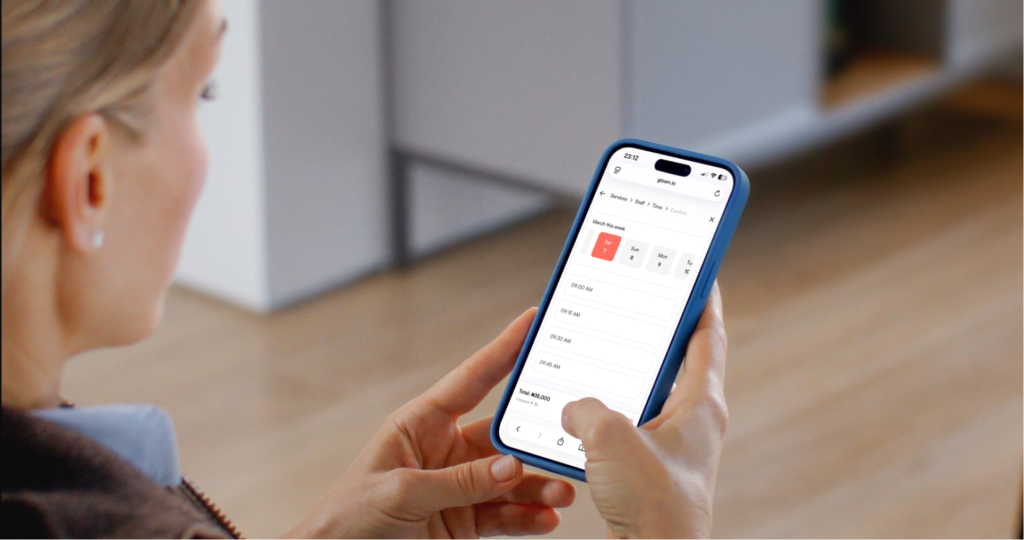
3. The Booking Process Should Feel Formal
Not all confirmations carry the same weight.
A casual WhatsApp message can easily be ignored. However, a structured confirmation with clear details and a booking reference feels more official.
When the process feels formal, the appointment is taken more seriously.
Data trends from Statista show that structured booking systems improve attendance reliability.
4. A Cancellation Policy Should Be Clearly Stated
In many cases, cancellation policies exist, but they are not communicated.
When expectations are unclear, clients are less likely to take them seriously.
A simple, visible policy helps set the tone early. It should explain:
- How much notice is required
- What happens to deposits
- Any rescheduling terms
According to Forbes, clearly defined expectations lead to better customer compliance.
5. Missed Appointments Should Be Followed Up
A missed appointment does not always mean the client is lost.
In some cases, the client simply does not know how to return after missing it.
A short follow-up message can reopen the conversation:
“We missed you today. Would you like to rebook?”
This keeps the relationship active and creates another opportunity to book.
Where Glown Fits In
All of these improvements can be made manually. However, consistency becomes difficult over time.
This is where Glown comes in.
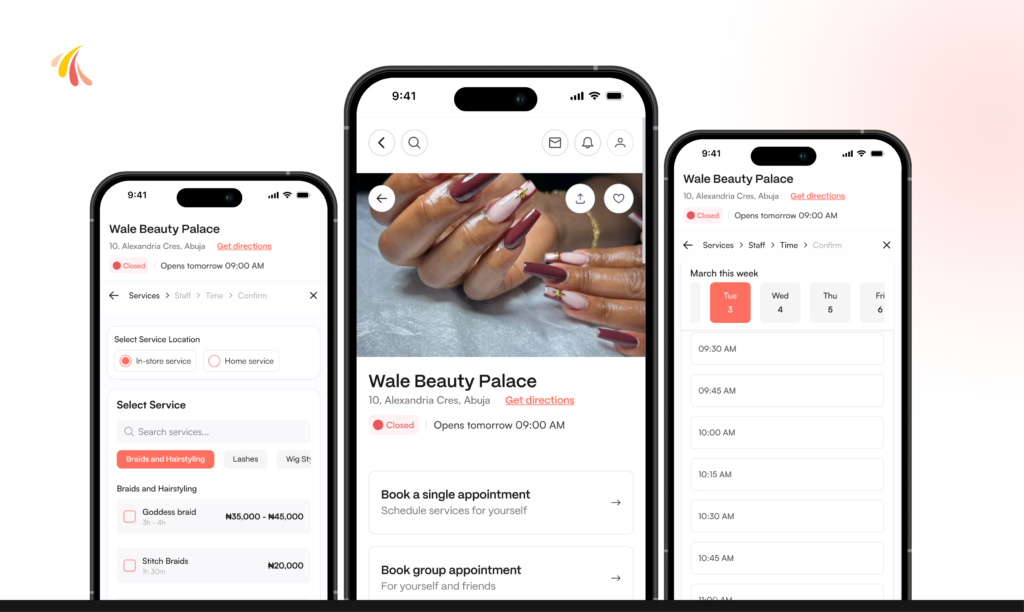
With Glown:
- Deposits are collected automatically
- Confirmations are sent instantly
- Reminders are scheduled in advance
- Booking records are stored and tracked
As a result, the process is structured without adding extra work.
Instead of managing bookings manually, salon owners are supported by a system that handles it for them.
Frequently Asked Questions
How can no-shows be reduced in Abuja salons?
They are reduced by introducing deposits, sending automated reminders, and using structured booking systems.
Are deposits necessary?
They are not mandatory, but they are one of the most effective ways to increase commitment.
Do reminders really make a difference?
Yes. Many missed appointments are caused by forgetfulness, which reminders directly address.
What should a cancellation policy include?
It should clearly state the notice periods and what happens to deposits in the event of late cancellations or no-shows.
How do I stop clients from not showing up to salon appointments?
The most effective way to reduce no-shows is to implement a deposit system, send automated WhatsApp reminders 24-48 hours before the appointment, and enforce a clear cancellation policy. Salons that collect even a 30-50% deposit at booking report significantly fewer last-minute cancellations.
What is a good no-show rate for a salon?
Industry benchmarks suggest that a no-show rate of 5-8% or lower is healthy for most beauty businesses. If your rate is higher than 10%, your booking process likely needs a deposit requirement or a firmer cancellation policy.
Should salons charge a cancellation fee?
Yes. Charging a cancellation fee or keeping a deposit for no-shows is standard practice, and clients who value your work will accept it. Communicate the policy clearly at the time of booking to avoid disputes.
How does Glown help?
It ensures that deposits, confirmations, and reminders are handled automatically, reducing the chances of missed appointments.
Final Thought
No-shows are often treated as unavoidable.
However, they are usually the result of how bookings are handled.
When structure is added, attendance improves. When expectations are clear, behaviour changes.
Over time, fewer slots are wasted, and revenue becomes more predictable.
The difference is not in the clients.
It is in the system being used.
Create an account with Glown here
1 comment