


You built your salon on skill, not spreadsheets. But if you’re running a beauty business in Abuja, whether you’re in Wuse 2, Maitama, Garki, or Gwarinpa, you already know that skill alone doesn’t pay the bills. What you charge, when your chairs are full, who keeps coming back, and what services are quietly draining your time, that’s where the real money is.
The good news: you don’t need to be a data scientist. You just need the right numbers in front of you.
What Salon Analytics Actually Means
Analytics is just a fancy word for looking at your business data and making smarter decisions from it. For a salon, nail tech, or makeup artist, that means understanding things like:
- Which services bring in the most revenue
- Which clients book regularly, and which ones go quiet
- What times of day or week do your appointments cluster
- How often clients cancel or don’t show up, and what it’s costing you
Once you can see these patterns clearly, you stop running on guesswork and start running on facts.
Start With Revenue Per Service
Not all services are created equal. A full glam makeup session might take three hours and bring in ₦25,000. A brow shaping takes 15 minutes and earns ₦3,000. But when you do the maths on revenue per hour, brow shaping might actually be the better earner.
Analytics helps you figure out where your time is most valuable. When you know which services have the best return, you can make smarter decisions, like whether to add more slots for a high-performing service, raise prices on underpriced ones, or quietly phase out the ones that aren’t worth the effort.
A good booking and business management platform will break this down for you automatically, so you don’t have to pull out a calculator every month.

Track Your Client Retention Rate
Getting a new client costs more time and energy than keeping an existing one. Your retention rate, how many clients come back after their first visit, tells you a lot about the health of your business.
If you notice that most of your revenue comes from a small group of regulars while new clients never return, that’s a signal. Maybe the experience after the first visit needs more attention. Maybe a follow-up reminder or a loyalty incentive would change things.
On the flip side, if you have strong retention but slow growth, you might need to focus on attracting new faces. The data gives you the direction; you provide the strategy.
No-Shows and Cancellations Are a Revenue Number
It’s easy to think of no-shows as just an annoying inconvenience. But every empty appointment slot has a real cost. If you charge ₦15,000 for a hair appointment and you average three no-shows a week, that’s over ₦180,000 in lost revenue a month.
Analytics helps you see this clearly. When you know your no-show rate, you can take action, like collecting a booking fee upfront or setting up automated reminders. Platforms like Glown let you track this and address it directly, so you’re not absorbing that loss month after month.
Use Peak Hours Data to Make Staffing Decisions
When are your chairs busiest? When do you have staff standing around with nothing to do? Most beauty business owners in Abuja could guess roughly that Saturday mornings are always crazy, maybe Tuesday afternoons are dead. But guessing isn’t the same as knowing.
When you have booking data over weeks and months, you start to see reliable patterns. That data helps you roster smarter, plan promotions to fill quiet slots, and avoid being stretched too thin during your busiest periods. It also helps you think about when to take on extra hands or whether that second stylist is actually needed on a Wednesday.
You Don’t Need to Analyse Everything at Once
One of the reasons business owners avoid looking at their numbers is that it feels overwhelming. But you don’t need to track thirty things at once. Start with one or two questions that matter most to your business right now.
- “Which service makes me the most money per hour?”
- “How many clients came back after their first visit this quarter?”
- “What’s my average no-show rate?”
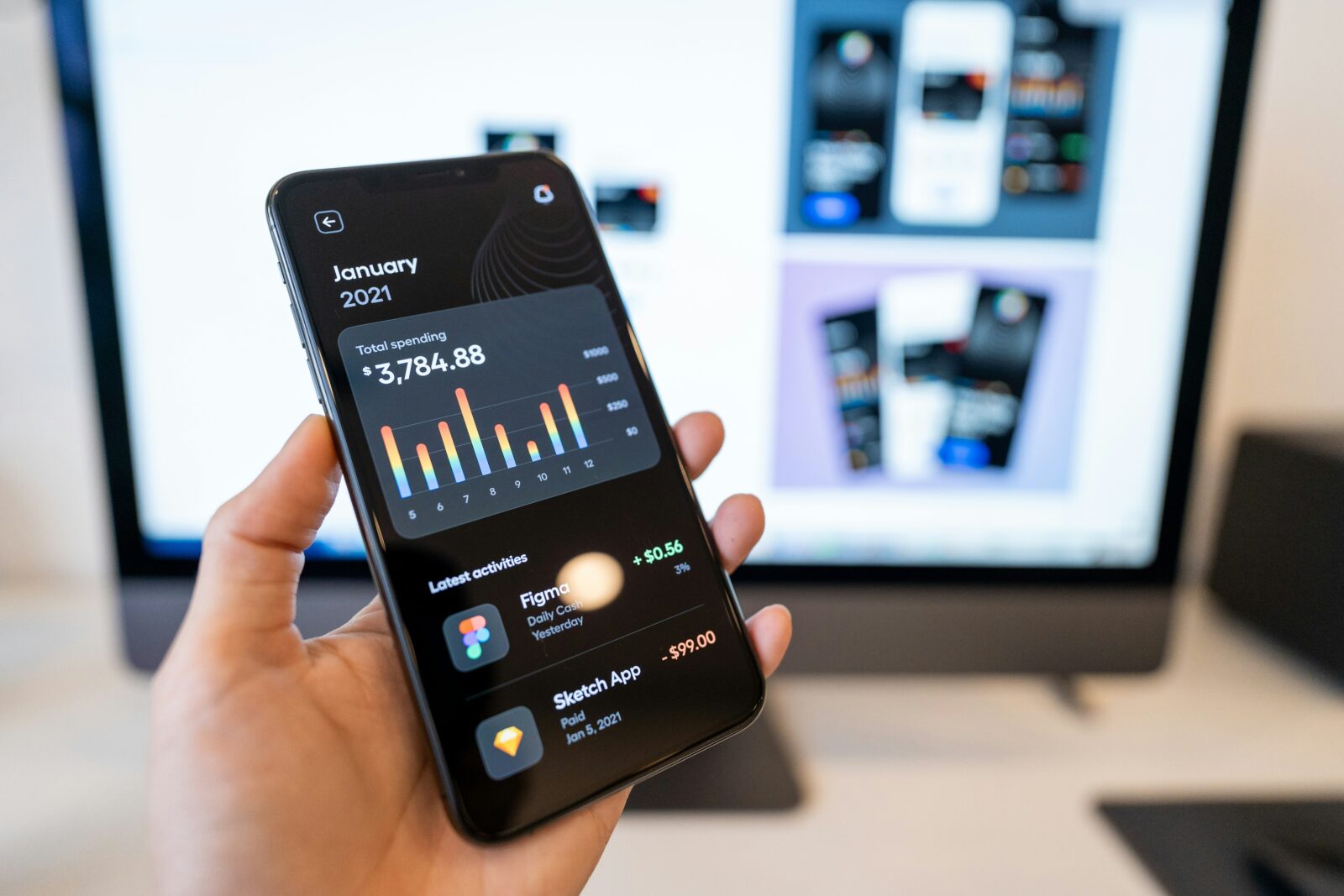
Pick one. Look at the number. Make one decision based on it. That’s it. Over time, this habit becomes a real competitive advantage, especially in a city like Abuja, where the beauty industry is growing fast, and the businesses that survive are those that treat revenue seriously. Glown’s analytics dashboard is built specifically for Nigerian beauty businesses. It brings your booking data, revenue trends, client activity, and no-show rates into one place, so you always know where your business stands.
No comments yet